• Skip to secondary menu
  • Skip to main content
  • Skip to footer
  • HOME
  • About
  • The Rules
  • Technology
  • Terminology
  • Lessons Learned
  • About Me
  • The UGLY

Feathers and Fuzz

one woman's cure for the empty-nester blues

  • Index of Posts
  • Meet the Feathers
  • Meet the Fuzz

Eastern Phoebe

Georgia Winter Wildlife: Out and About

January 21, 2018 by MoJo

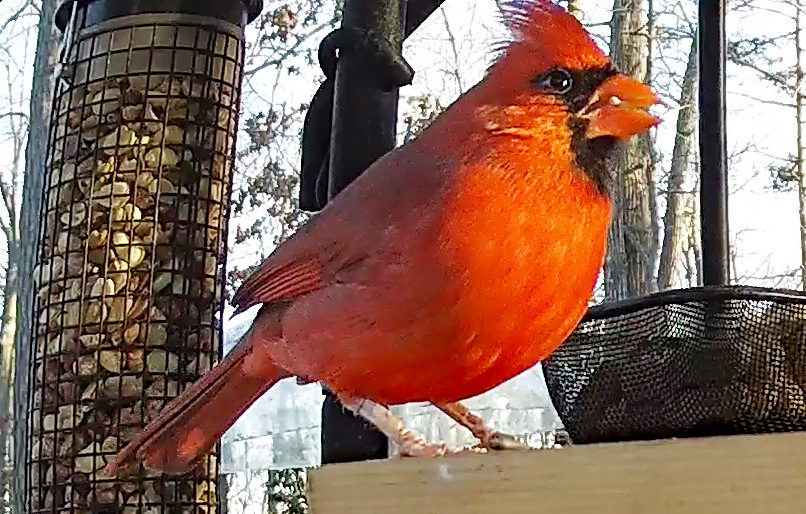
Cardinal in Sun

It's that time of year when we Georgian's have had quite enough of winter.  Just when I was starting to feel a bit ornery about this fact, a male Cardinal landed on the feeder ... his red feathers aglow in the afternoon sun.  What a gift!  

I reflected on how much winter wildlife does to brighten the landscape and tide me over until the grass turns green again and flowers open their kaleidoscope to the summer sun.  

So ...I'm going to stop talking ... and just jump right into sharing the gift of Georgia's winter wildlife.  

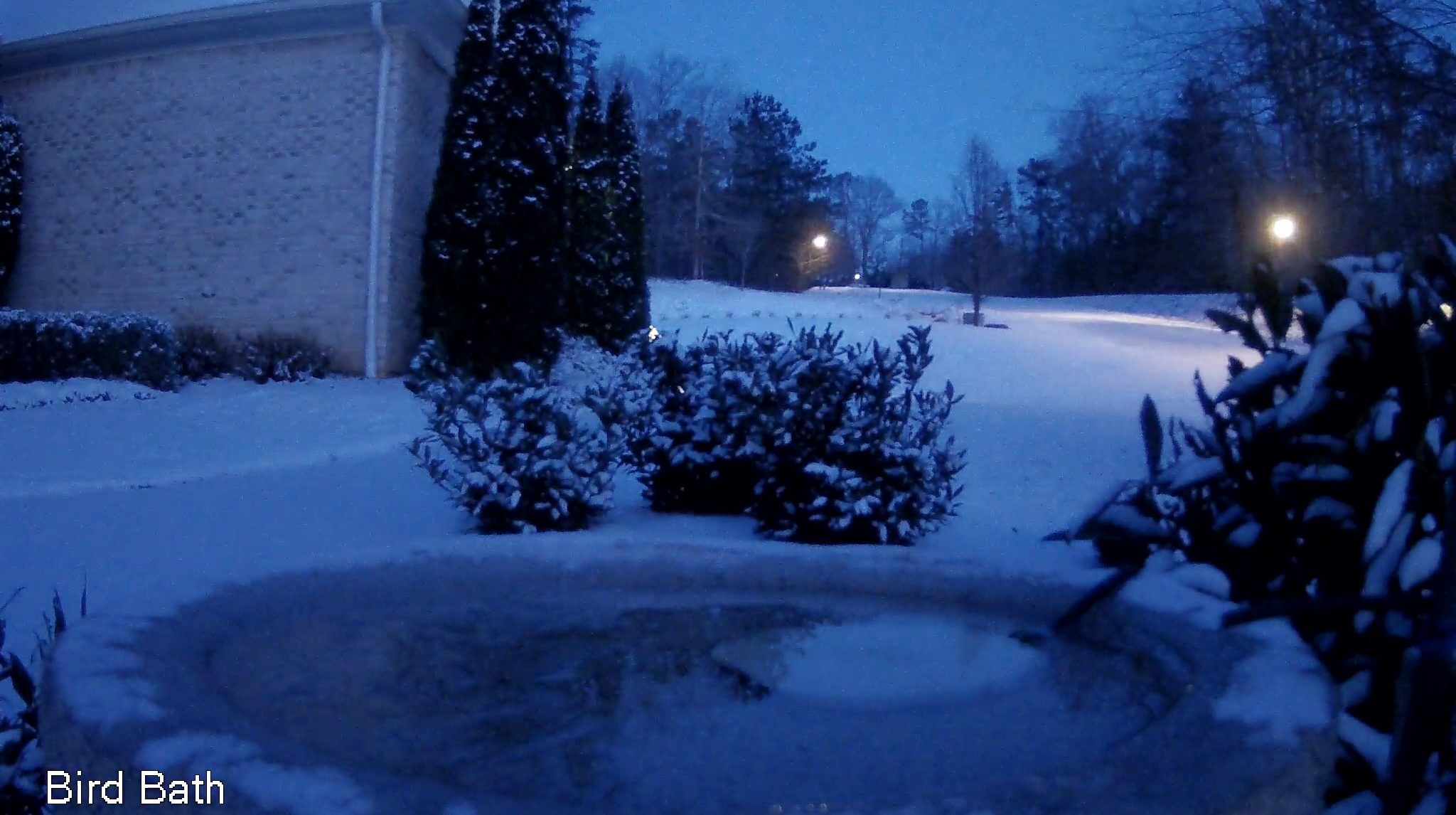
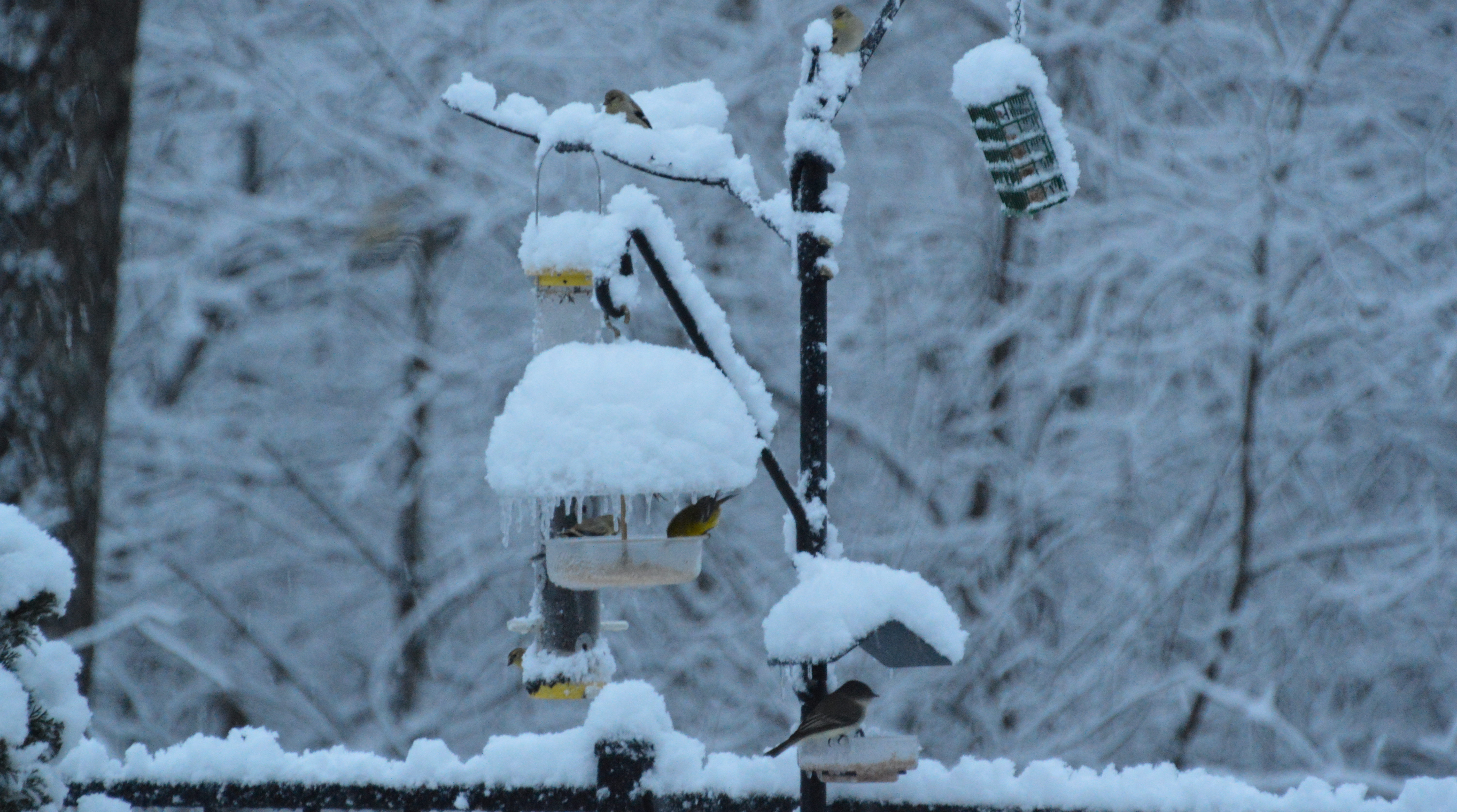
  • New Fallen Snow - First Light
    New Fallen Snow - First Light
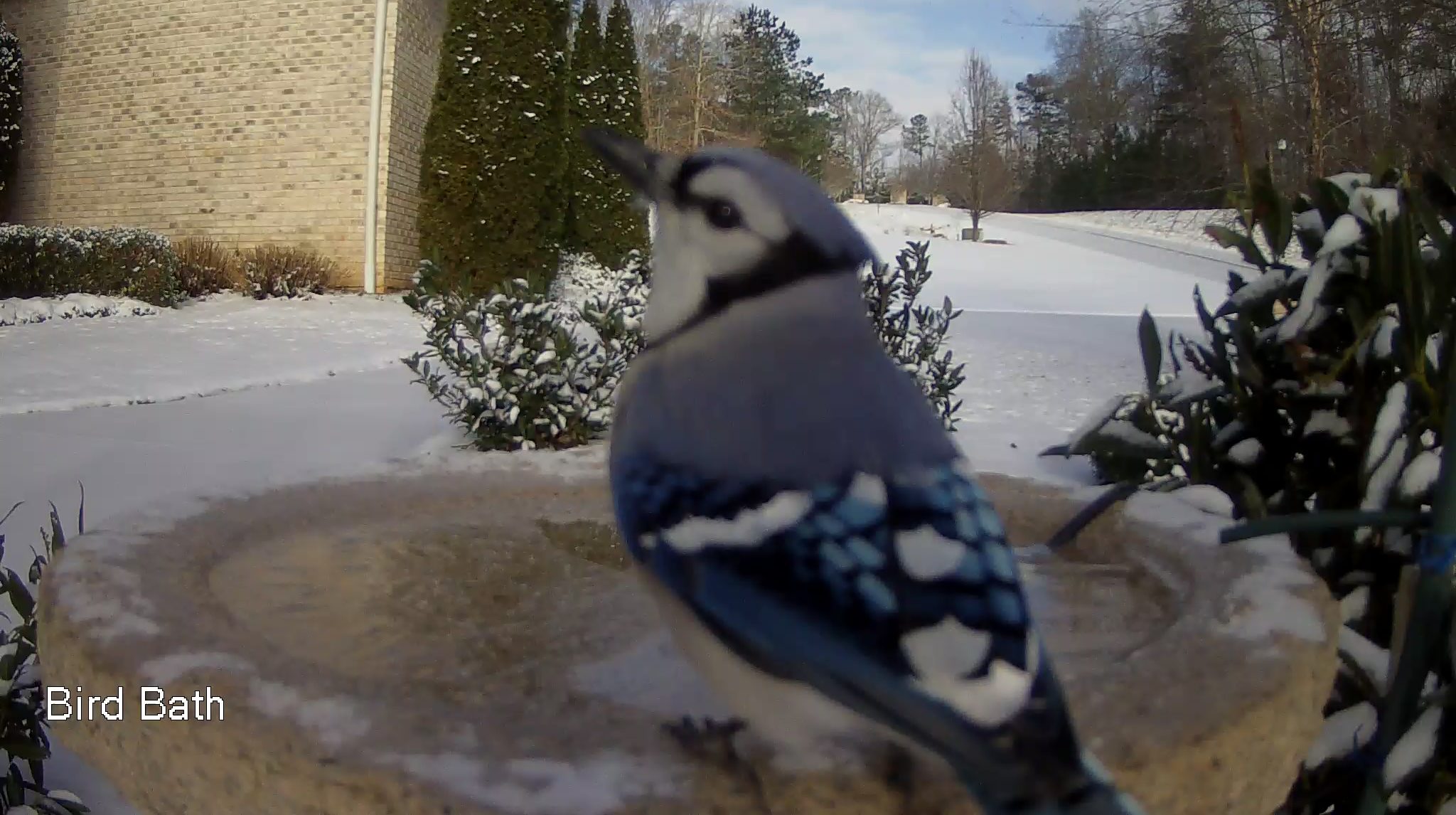
  • Shades of Blue - Blue Jay
    Shades of Blue - Blue Jay
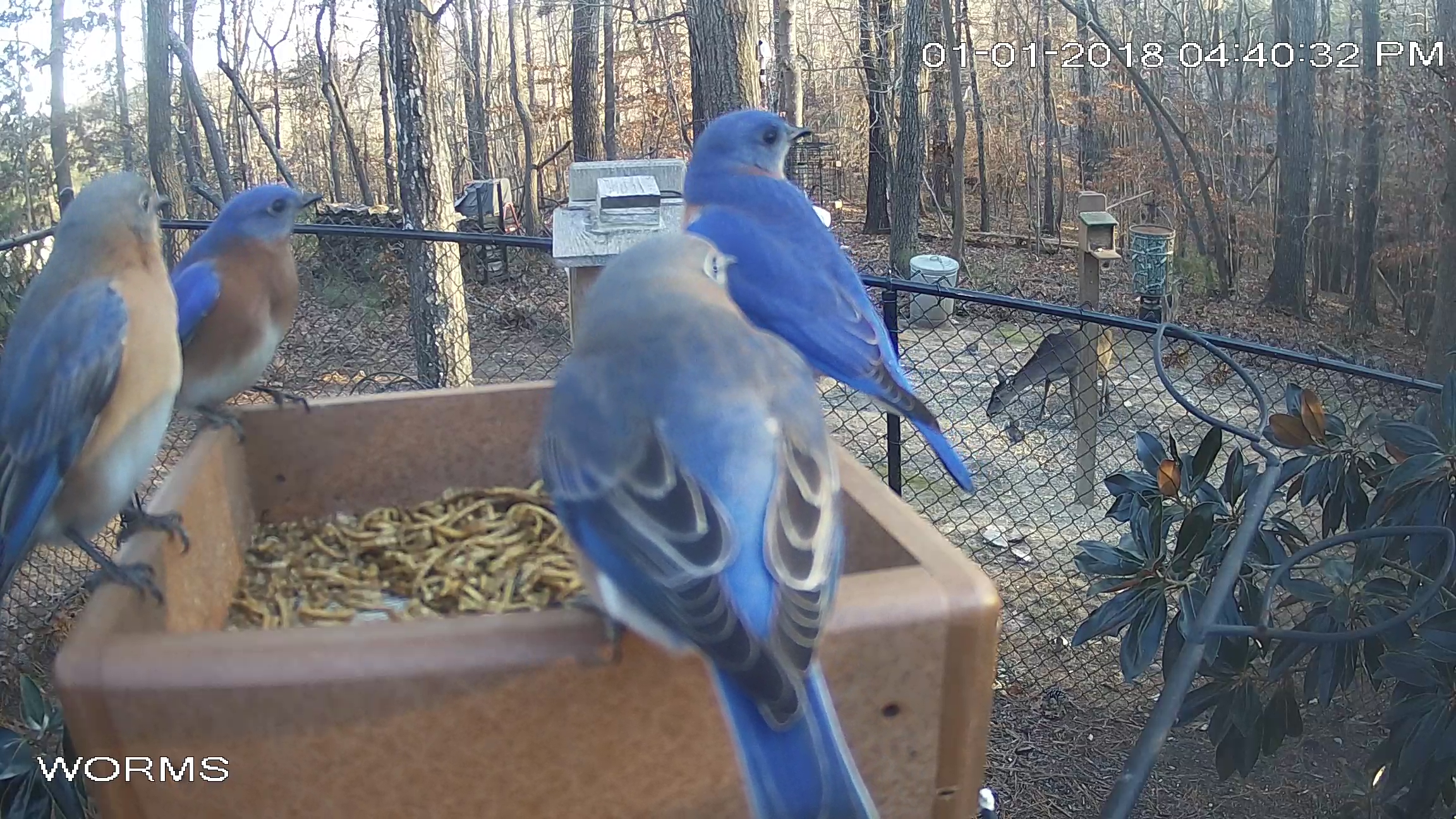
  • Bluebirds x4 - Winter
    Eastern Bluebirds Visit Mealworm Feeder
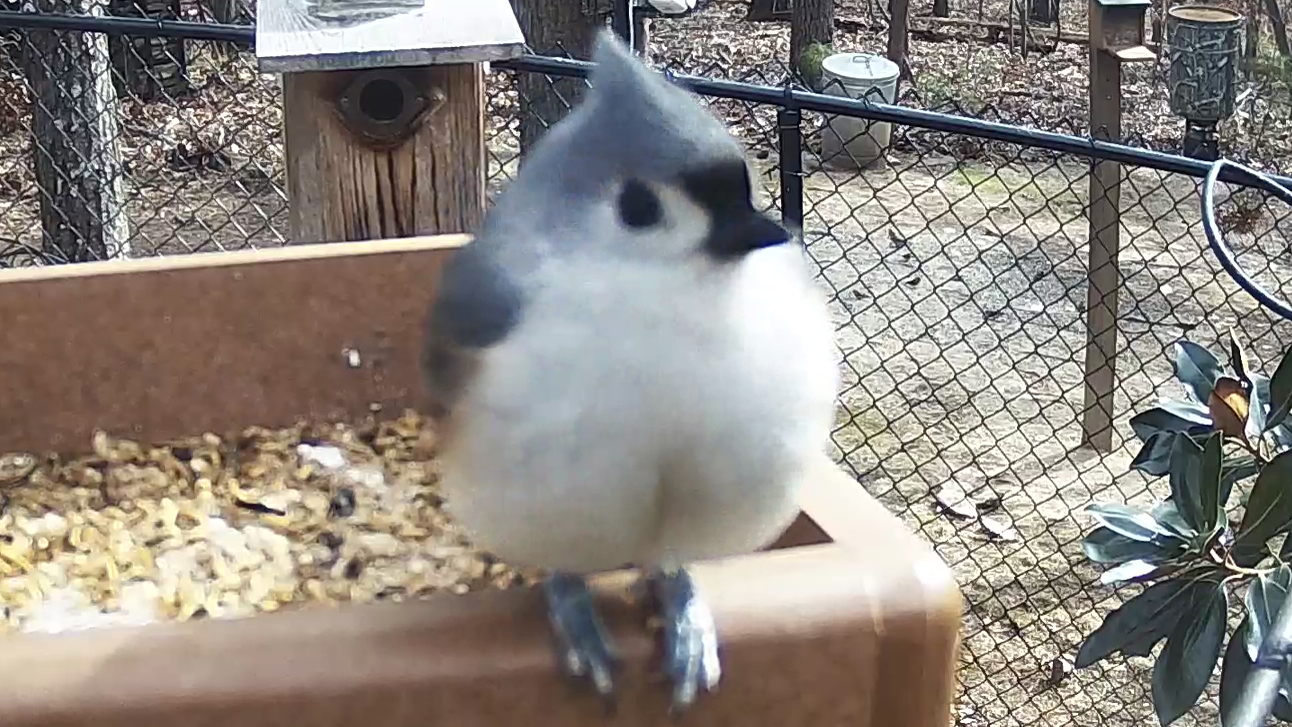
  • Tufted Titmouse - Tufted
    Tufted Titmouse Showing His Tuft
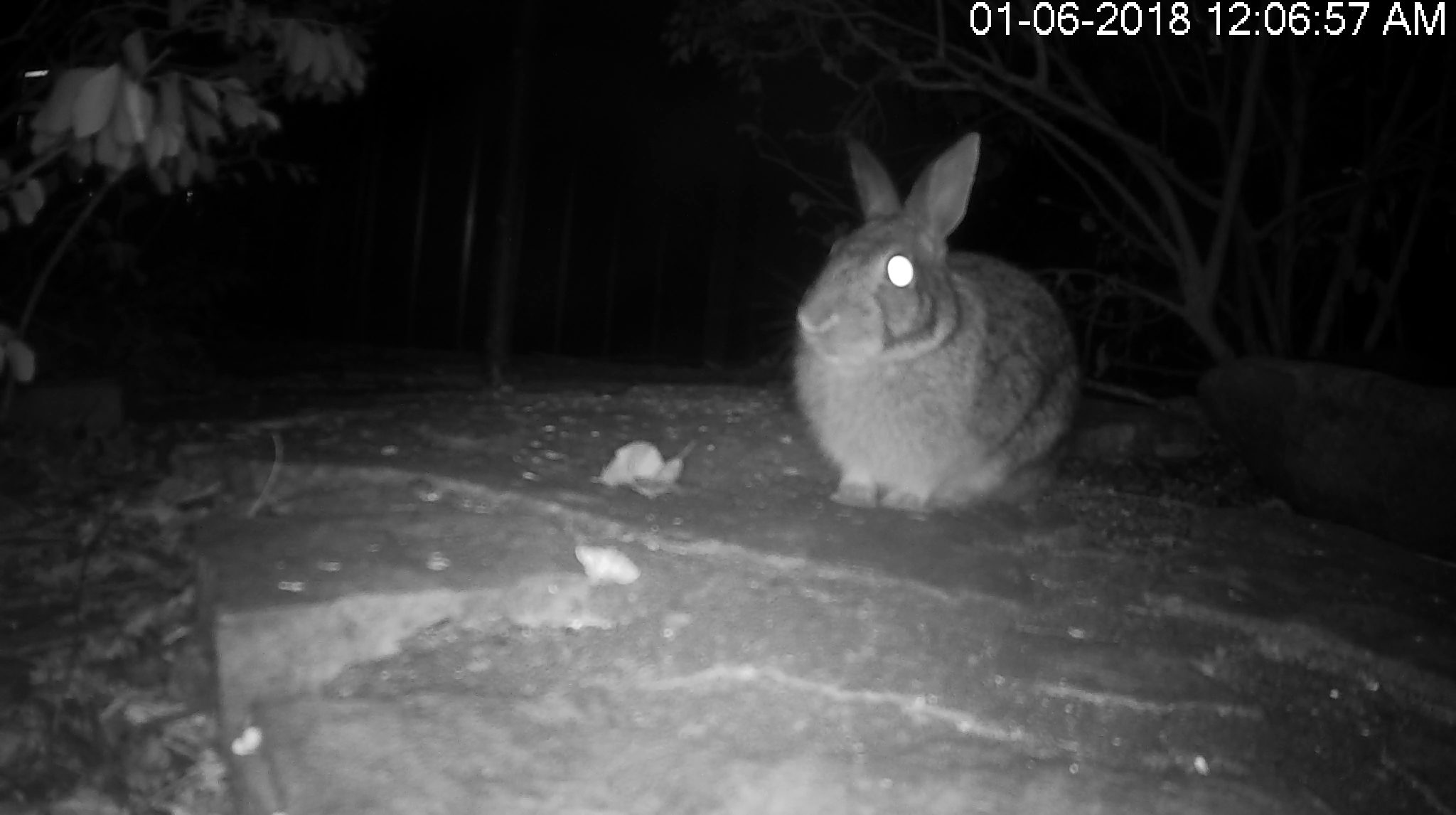
  • Peter Cotton Tail
    When he's not eating your flowers and vegetables, he munches on bird seed.
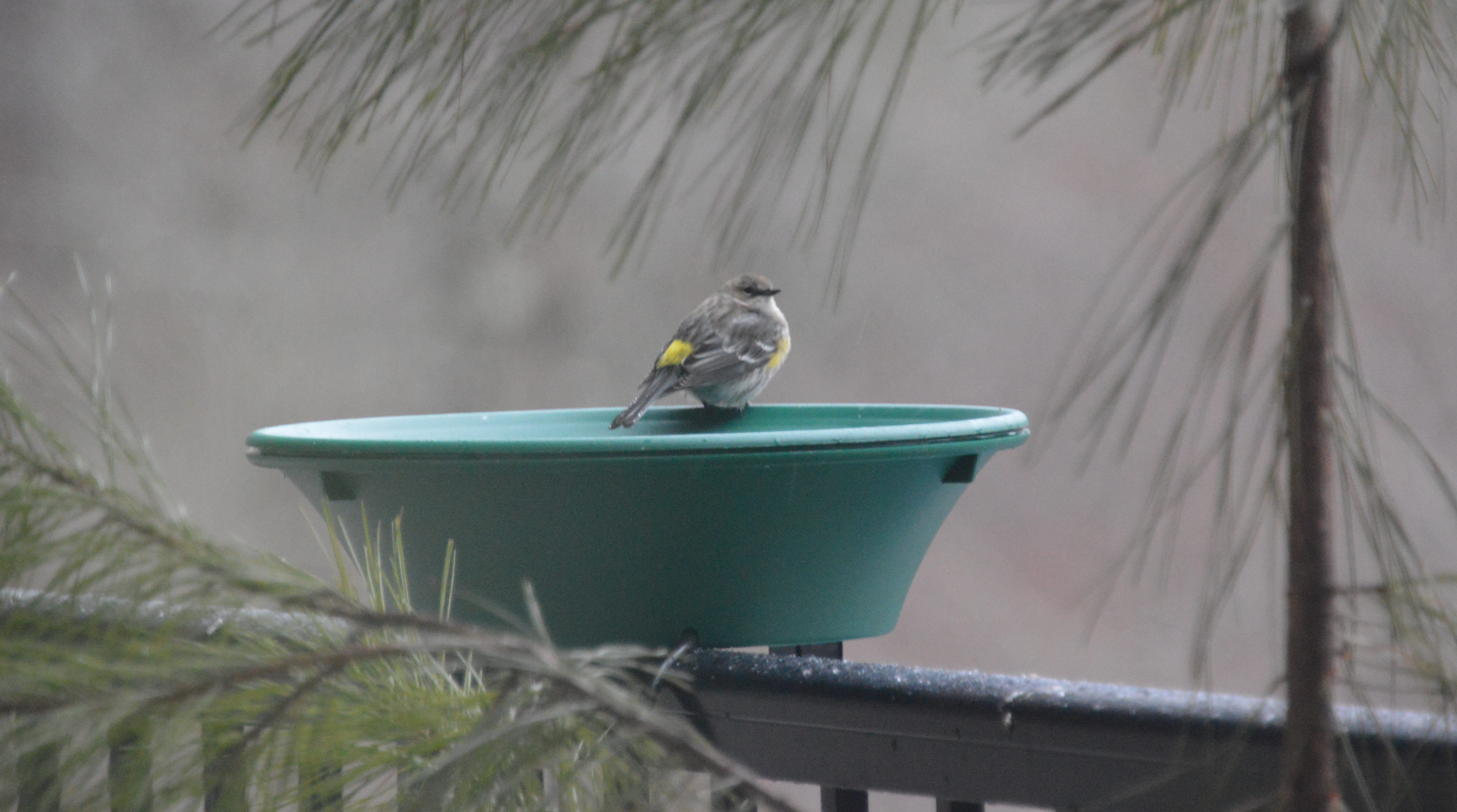
  • Yellow-Rumped Warbler: Winter 2013
    Yellow-Rumped Warbler: Winter 2013
  • Could be Worse: Eastern Phoebe Winter 2013
    Could be Worse: Eastern Phoebe Winter 2013
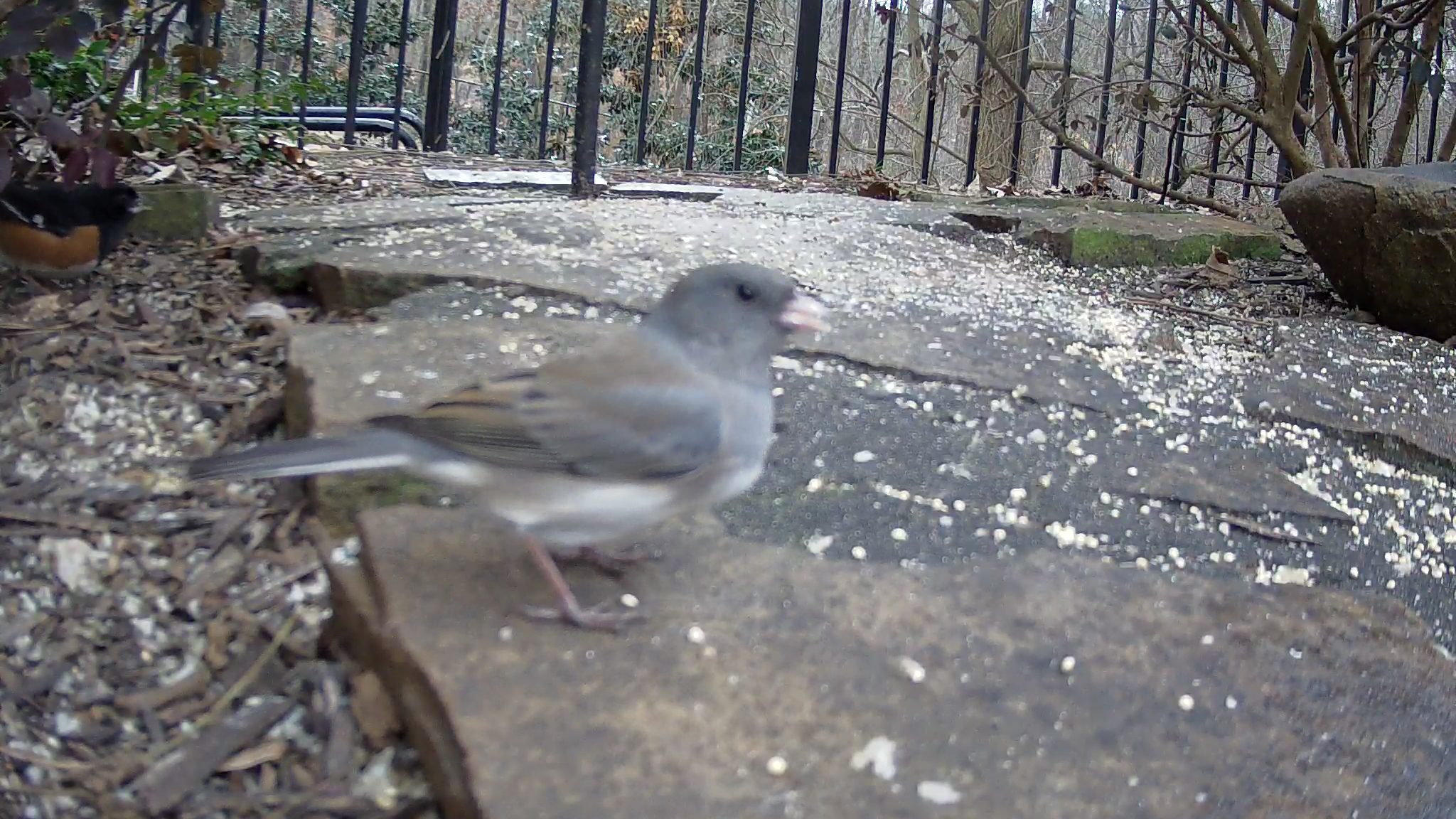
  • Dark-eyed Junco-2018-01-08
    Dark-eyed Junco:  January 2018
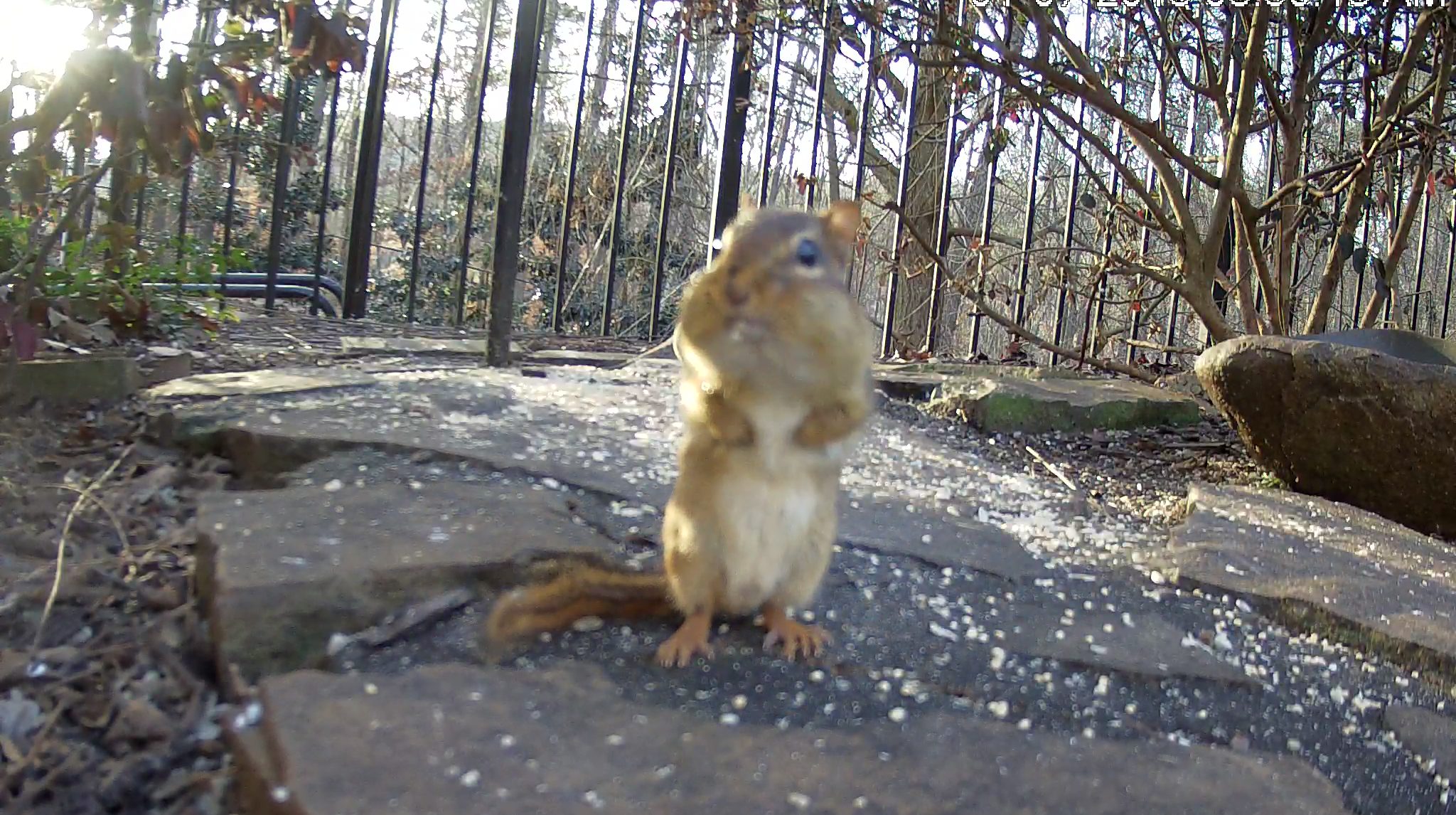
  • We Call Him Hoover
    We call him "Hoover".  He vacuums up seeds until his cheeks nearly burst.
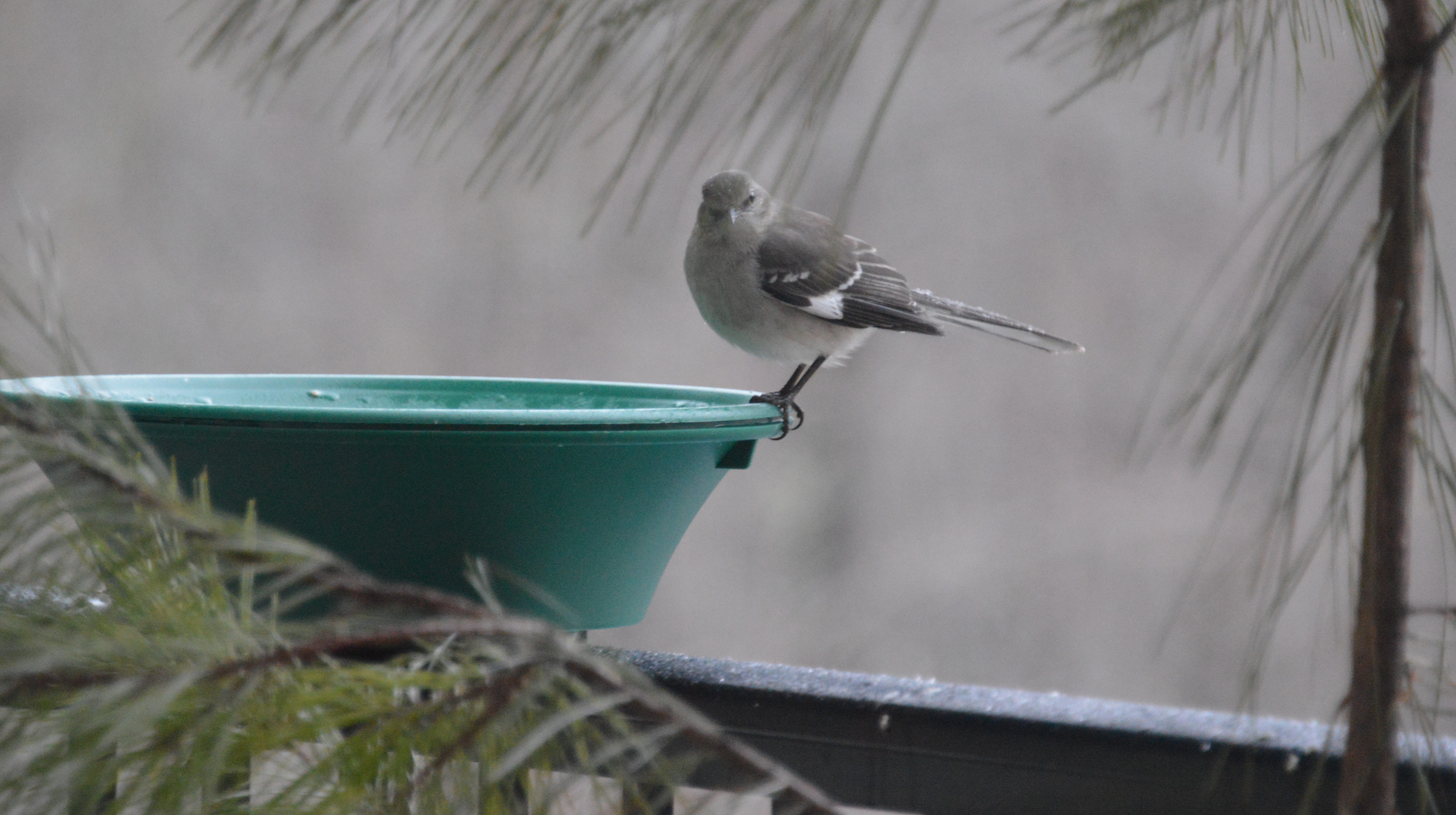
  • Mockingbird: Winter 2013
    Mockingbird: Winter 2013
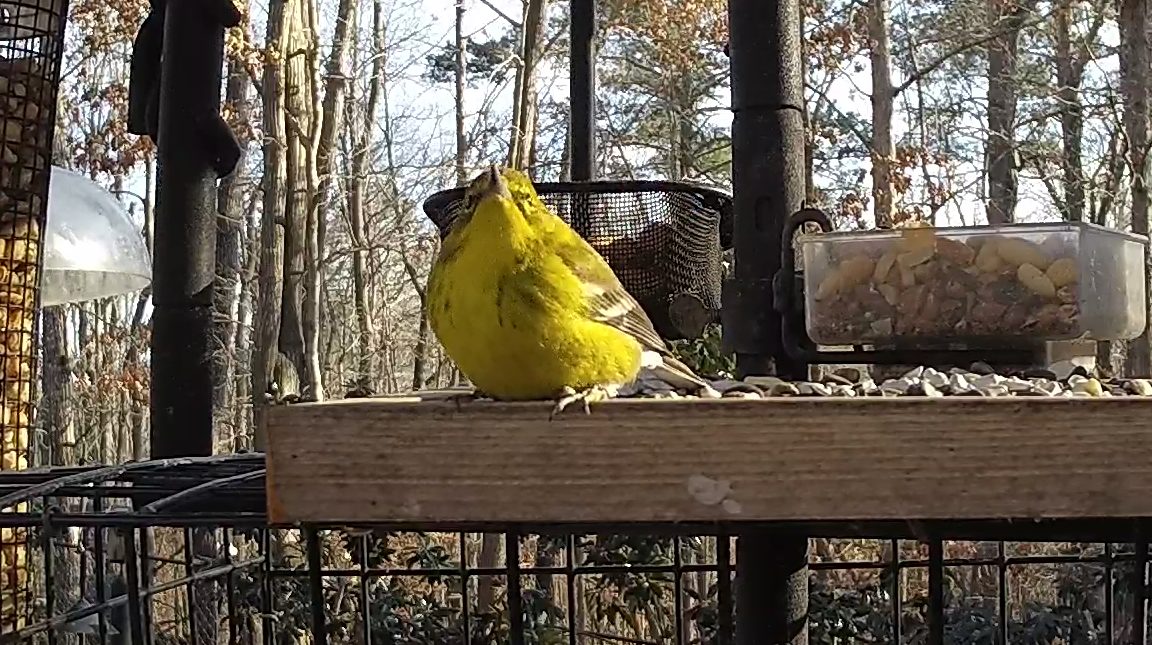
  • Pine Warbler: Winter 2018
    Pine Warbler: Winter 2018
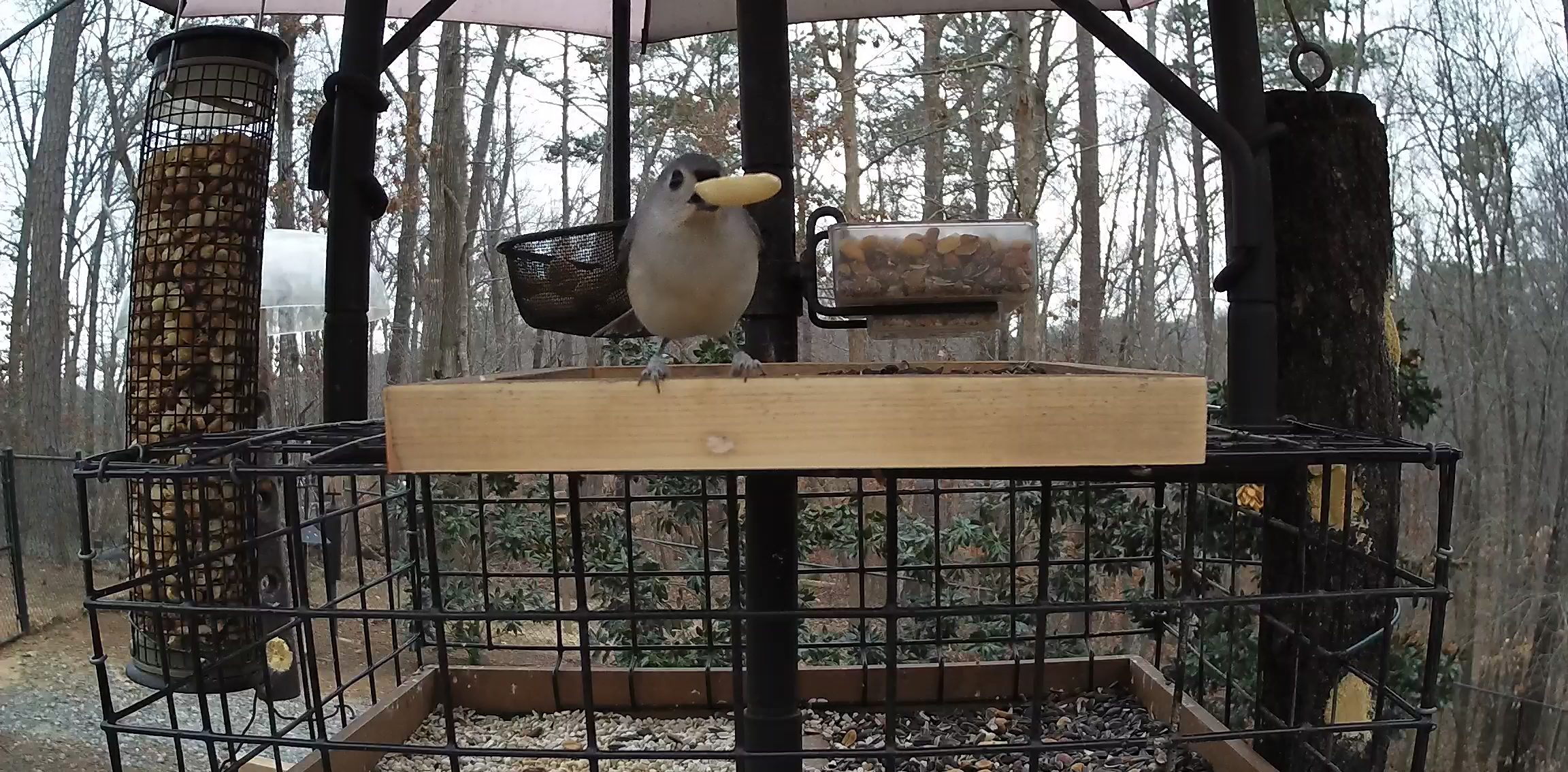
  • Found a Peanut: Tufted Titmouse
    Found a Peanut: Tufted Titmouse
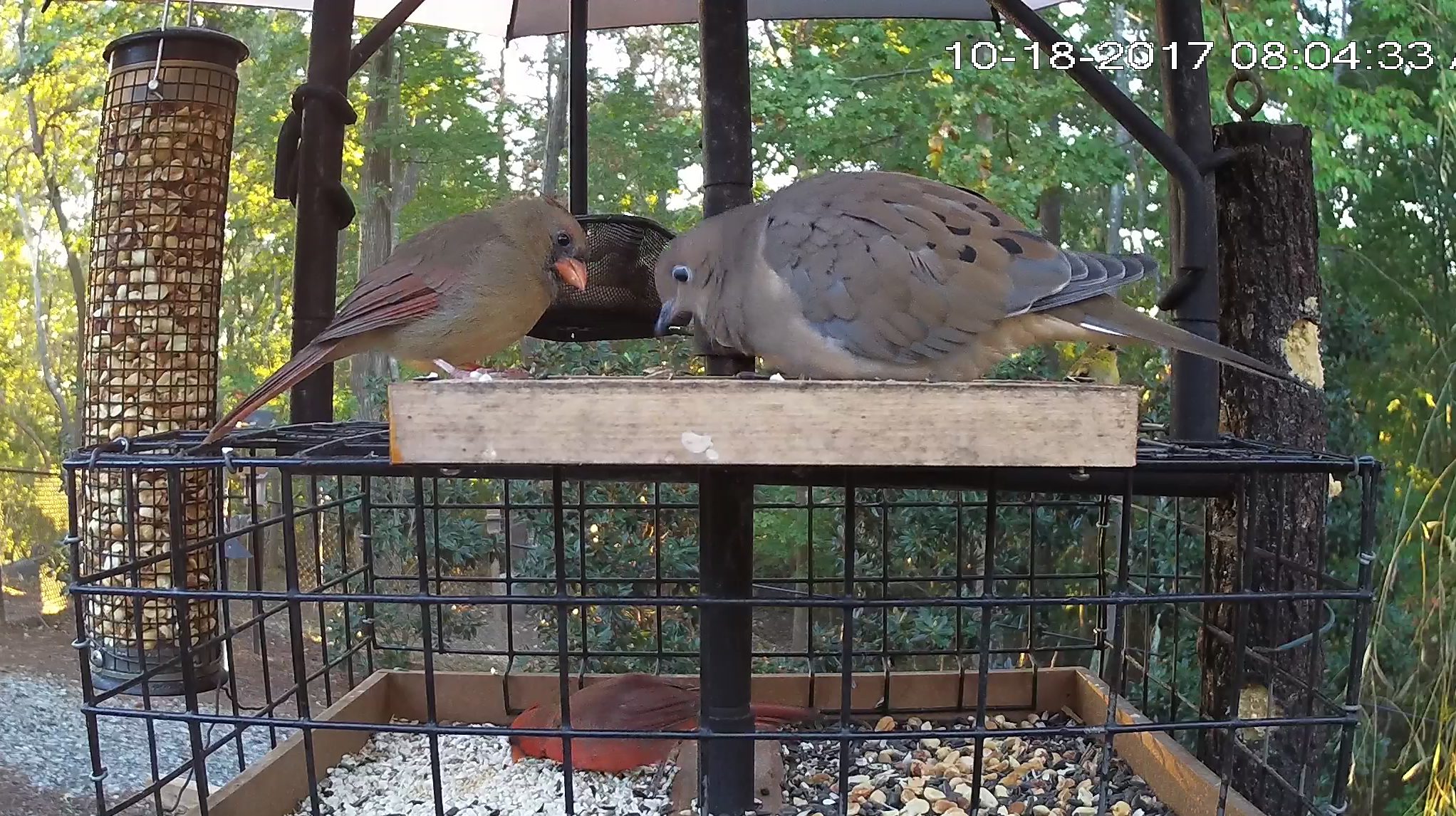
  • Going Head-to-Head: Northern Cardinal and Mourning Dove
    Going Head-to-Head: Northern Cardinal and Mourning Dove:  Fall 2017
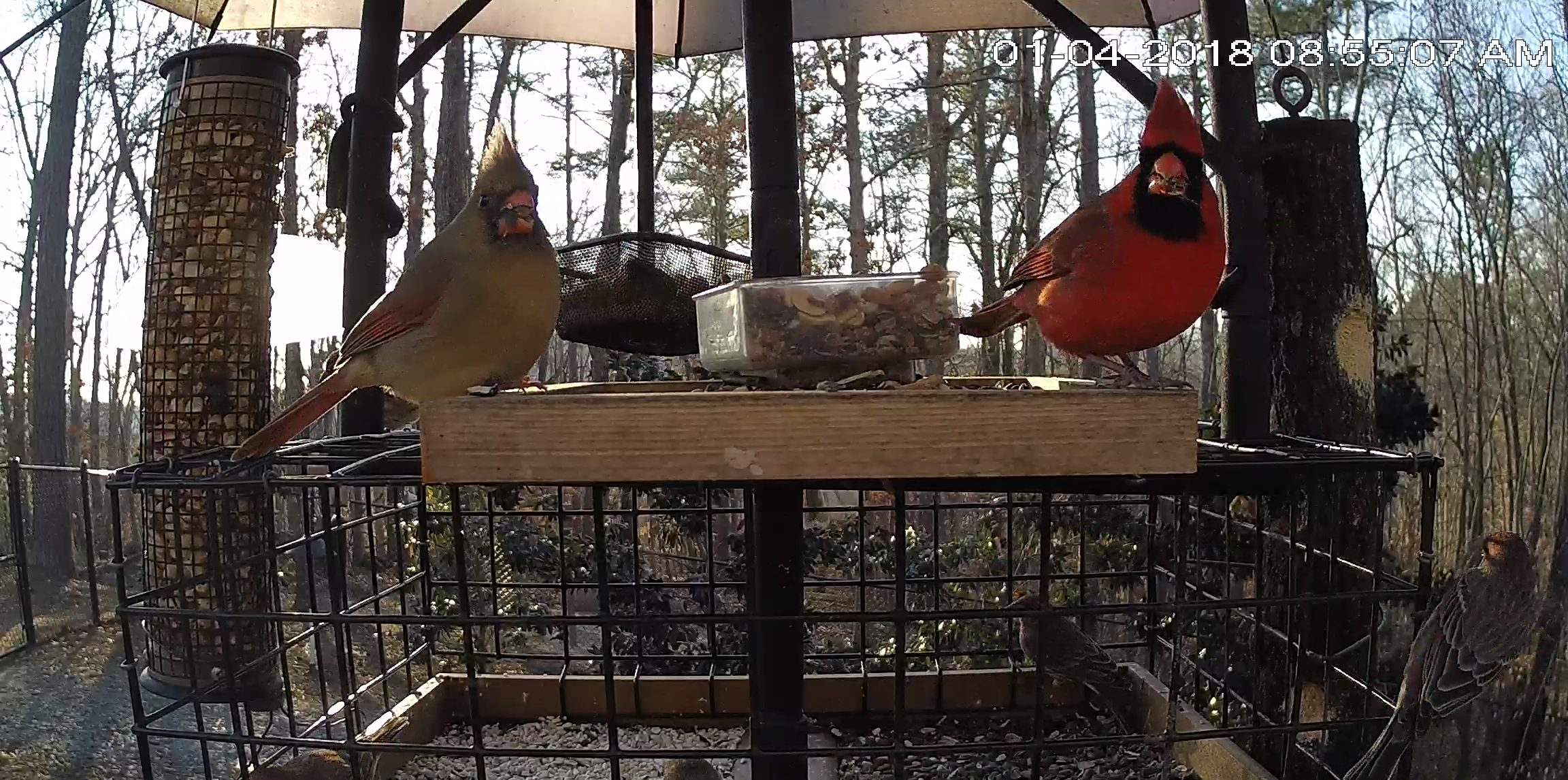
  • Male and Female Cardinals - Winter 2018

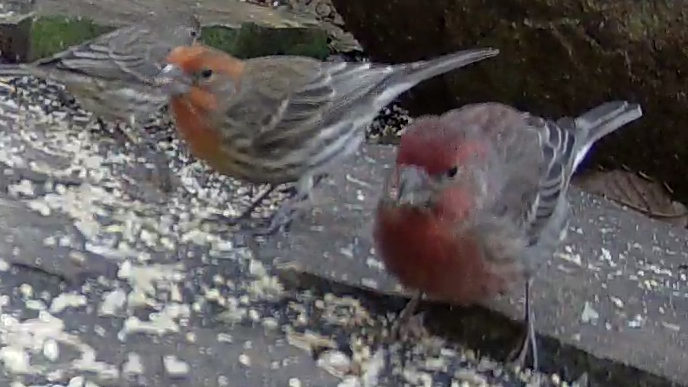
  • Orange-Morph and Normal-Color (Red) Male House Finches

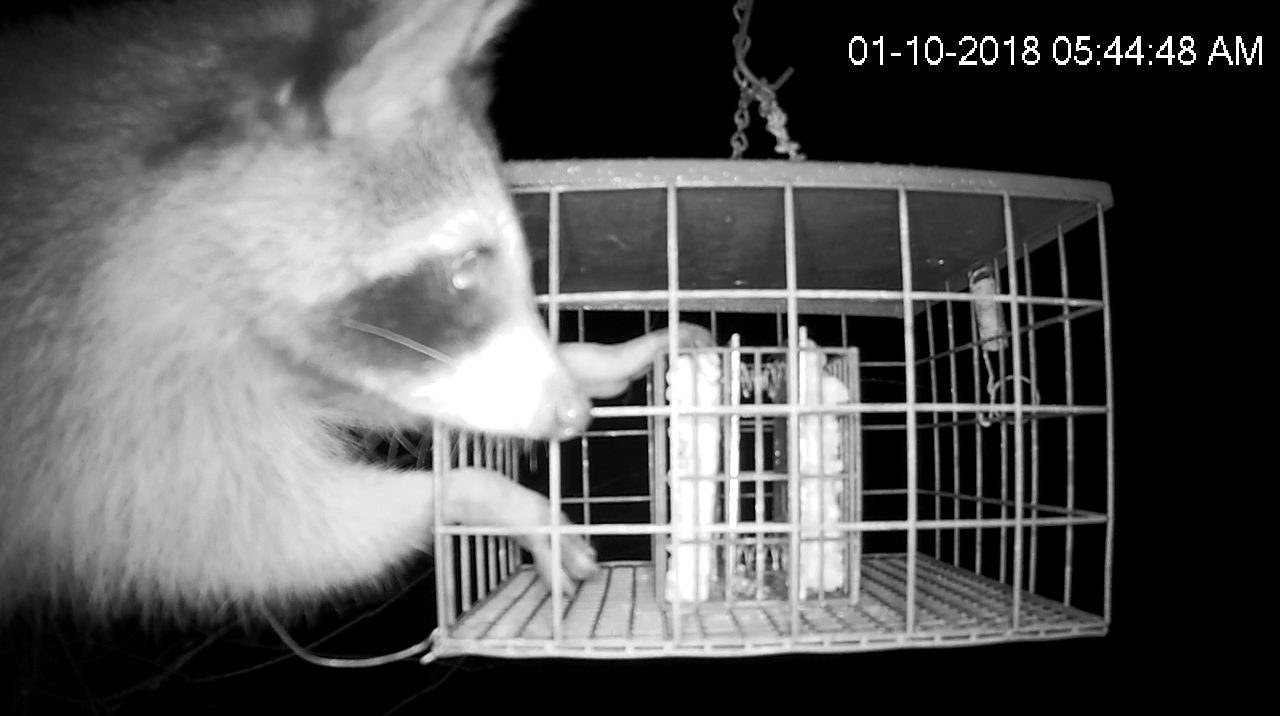
  • Rocky at Side Show
    Bandit Extraordinaire
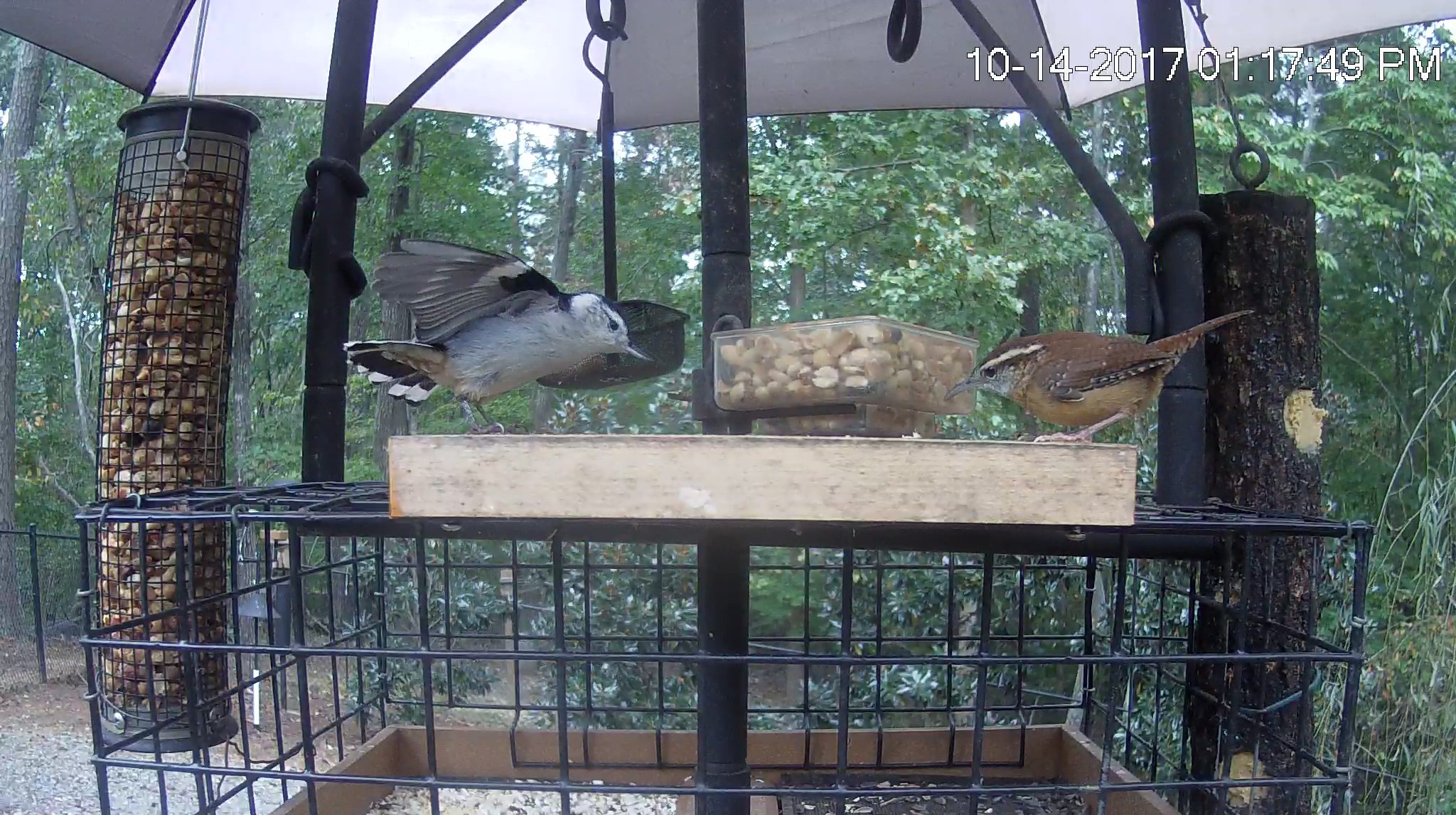
  • Napoleon vs Wren: October 2017You want a piece of me?!

Filed Under: All the Others, Bluebird, Carolina Wren, Eastern Phoebe, Feathers, Fuzz, Northern Cardinal, The Menagerie Tagged With: Georgia Winter Wildlife, Male Northern Cardinal

Eastern Phoebe Gets Cold Feet

January 3, 2018 by MoJo

With Georgia's January temps in the teens, I'm going to interrupt the "Nesting Challenges Series" once again to share some cold-weather scenes.

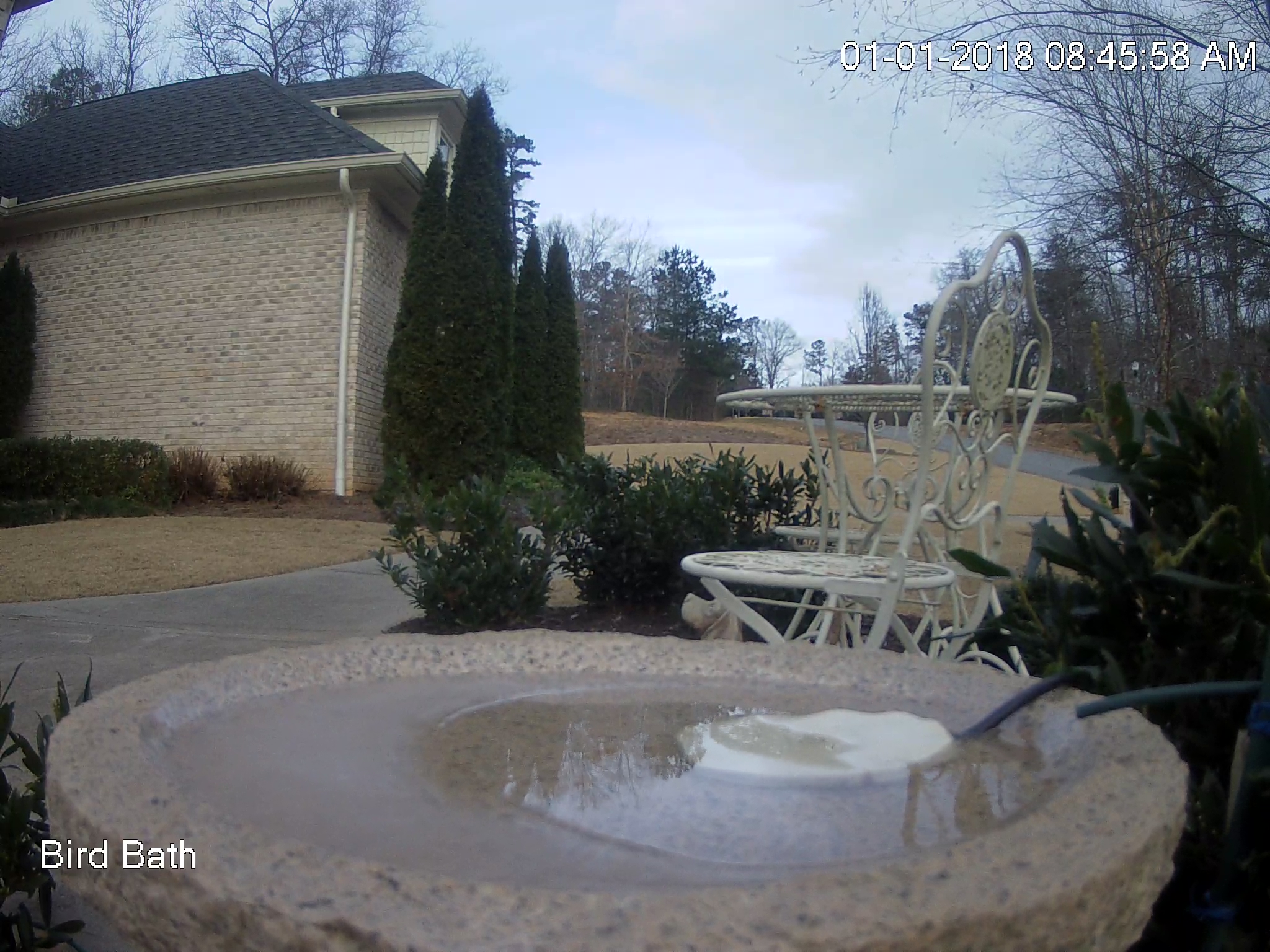
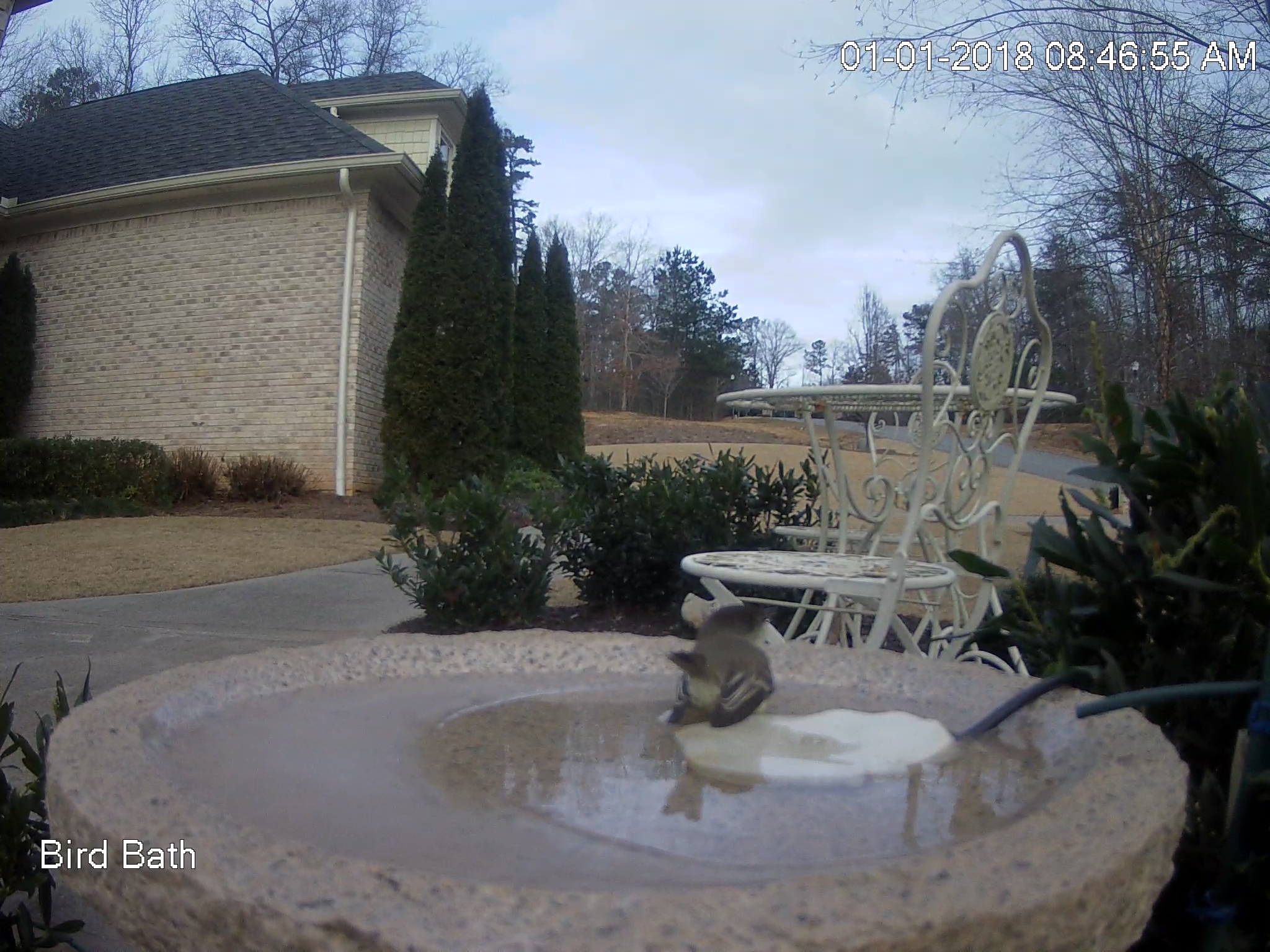
In this post, I'll start with telling the story of the Eastern Phoebe and the birdbath.  I keep a de-icer (heated disk) in my birdbaths so birds can have access to water even when temps reach freezing (see photo).  The Phoebes seem to have figured out that these de-icers are a source of warmth.  I've seen them just perch, for an extended period of time, on the rim of a specialized birdbath in which the entire bowl is heated.  You will see the Phoebe in the picture takes it one step further -- appearing to warm her butt on the de-icer.

Birdbath De-Icer

Birdbath De-icer

Phoebe Butt Warmer

aka Butt-Warmer

Eastern Phoebe Gets Cold Feet

I was enjoying the live video ... until ... the Phoebe reminded me of a lesson my Minnesota mother taught me many, many years ago.  Never, ever touch a frozen metal part with a moist body part.

There's a bit of freaking-out in this video, but it is quite impressive to watch the Phoebe remain calm while figuring out a solution -- applying a steady-pull to her dilemma.  I don't seem to recall an equal calm when, at age 5, I tested my mother's wisdom -- my tongue, painfully-frozen to the swing set.

https://www.feathersandfuzz.com/wp-content/uploads/2018/01/Cold-Feet-Video.mp4

A Bit of Bird Anatomy

It is curious how, normally, songbirds can perch on very cold surfaces without apparent distress.  This is, in part, because they have no sweat glands.  It is also because their feet are largely made of bone and covered with "scales".  In addition, although birds are warm-blooded, their feet have a very minimal blood flow -- making their feet, essentially, cold-blooded.

Here's the fascinating part about a bird's foot-design, though:  The blood that does flow to/from a birds foot does so in a web formation -- with the arteries carrying warm blood from the bird's heart woven in a mesh formation with the veins carrying cold blood away from the feet.  Thus, the cold blood from the feet is warmed before making its return to the bird's heart.

Filed Under: Eastern Phoebe, Feathers Tagged With: Eastern Phoebe Frozen Feet

  • « Go to Previous Page
  • Page 1
  • Interim pages omitted …
  • Page 8
  • Page 9
  • Page 10
  • Page 11
  • Page 12
  • Page 13
  • Go to Next Page »

Footer

Contact Us*

Get Social & Follow Us On

This is the day the Lord has made; let us rejoice and be glad in it. Psalm 118:24

See "First Blog"

Copyright © 2026 Feathers and Fuzz